The entrance to a residential community is the first and last thing residents and visitors see every day. When that monument sign starts to look dated, weathered, or faded, it sends a message about the entire community before anyone even drives through the gates. As an HOA board member or property manager, you’ve probably noticed your community’s monument sign needs some attention. The question is what to do about it.
At Uni Signs, we work directly with HOA boards and property managers across the Greater Houston area to refresh, refurbish, or replace residential community monument signs. Some communities just need a face change. Others need full structural rebuilds. Most fall somewhere in between. Here’s a complete guide to help you understand your options before you bring the project to a board vote.
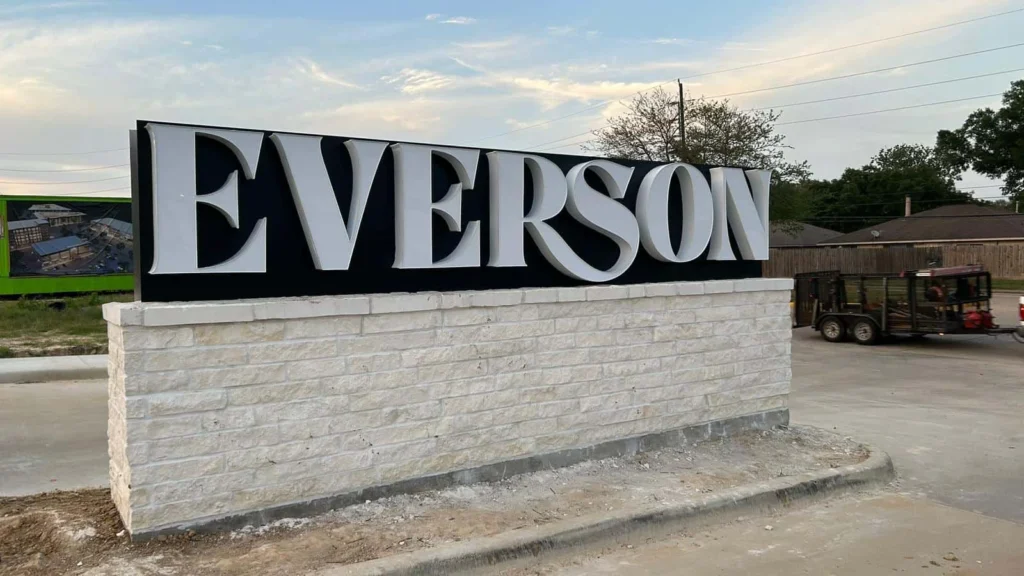
Why Monument Signs Eventually Need Refreshing
Houston weather is hard on outdoor signs. Direct sun, heavy summer heat, humidity, occasional hurricanes, and seasonal heavy rain all take their toll over time. Even a well built monument sign installed ten years ago will show real signs of aging by year fifteen.
The most common signs that your HOA monument sign needs attention include faded or peeling paint on lettering or panels, cracked or chipped stucco, brick, or stone elements, broken or flickering illumination at night, water staining and discoloration on the sign base, outdated typography or design that no longer matches the community’s branding, and damaged or missing letters that have fallen off over time.
If any of these sound familiar, your community is likely overdue for a refresh.
Refresh vs Full Replacement
The first decision you’ll need to make as a board is whether your community needs a full monument replacement or just a refresh of the existing structure. There’s a significant cost and timeline difference between the two.
A monument sign refresh typically involves repainting or replacing the lettering, updating the sign face panels, repairing or replacing the LED illumination, cleaning and repairing the stone or brick base, and possibly adding new landscaping around the sign. This work is usually completed in a few days and costs significantly less than a full replacement.
A full monument replacement involves removing the existing structure entirely, installing a new foundation, building a new sign from scratch with updated materials and design, and incorporating modern illumination technology. This takes several weeks and represents a larger budget commitment.
The right choice depends on the condition of the existing structure. If the base is structurally sound but the sign face looks dated, a refresh makes financial sense. If the base itself is cracking, sinking, or no longer matches the community’s current aesthetic, a full replacement is the smarter long term investment.
What Each Option Costs
Pricing varies based on size, materials, and complexity, but here are realistic ranges based on HOA monument projects we have completed around Houston.
A basic refresh that includes new sign face panels, repainted lettering, and minor base touch ups typically runs between three thousand and seven thousand dollars. This is the most cost effective option for communities that have a structurally sound monument but need a visual update.
A mid tier refresh that includes new dimensional letters, LED illumination upgrades, sign face replacement, and base repairs typically runs between seven thousand and fifteen thousand dollars. This option produces a result that looks essentially brand new while preserving the existing structural foundation.
A full monument replacement for a residential community typically runs between fifteen thousand and forty thousand dollars depending on size, materials, and design complexity. Premium projects with high end stone, integrated landscaping, custom dimensional logos, or backlit tenant panels can exceed fifty thousand.
For master planned communities with multiple entry points, the total cost multiplies based on how many monuments are being refreshed or replaced. Some communities choose to refresh one monument at a time over multiple budget cycles to manage costs.
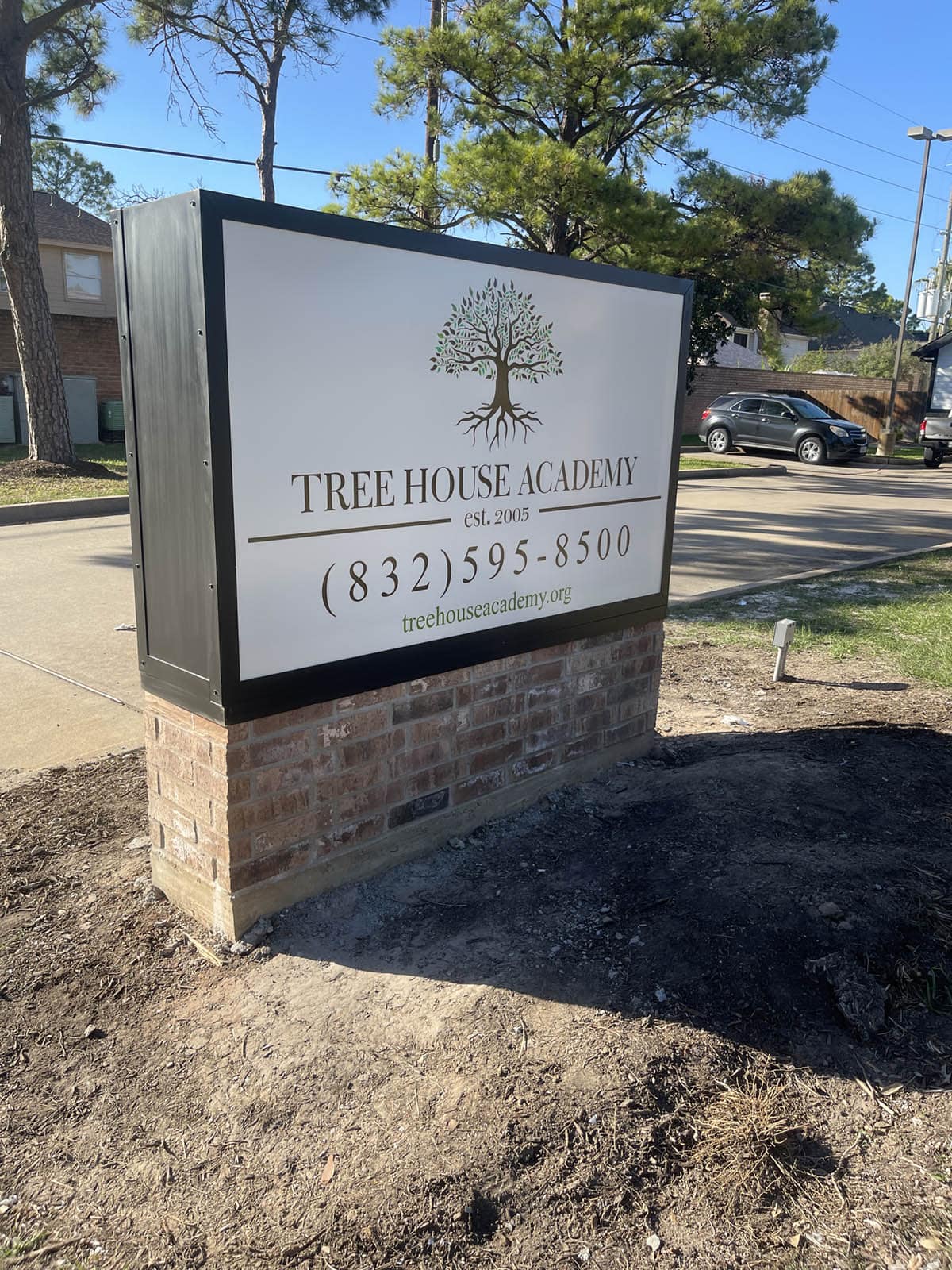
What HOA Boards Should Plan For
Bringing a monument sign refresh to your HOA board requires more than just selecting a vendor. Here’s what experienced property managers and board members tell us they wish they had known earlier in the process.
Budget approval timing matters. Most HOA boards approve major capital expenses during specific quarterly or annual meetings. Start the planning conversation at least three to six months before you want the work completed. Permits, design approvals, fabrication, and installation all take time.
Resident communication is essential. Even small monument sign changes can spark strong opinions from residents who feel attached to the community’s existing identity. Communicate the project early through community newsletters or board meetings. Sharing renderings or visual mockups of the proposed design helps residents see what’s coming and reduces pushback.
Architectural review committee approval is often required. If your community has an architectural review board or similar oversight committee, the new monument design must pass their review before fabrication begins. Build this approval step into your project timeline.
Master association approvals can apply too. If your community is part of a larger master planned development, the master association may have its own design guidelines that supersede your HOA’s preferences. Don’t skip this step.
City permitting requirements vary across the Houston metro area. Houston, Katy, Sugar Land, The Woodlands, Cypress, Pearland, and other surrounding cities each have different rules about monument sign sizes, heights, illumination, and setbacks. The permitting timeline alone can take four to eight weeks in some jurisdictions.
What Makes a Modern Monument Sign Different
Monument signs installed ten or fifteen years ago use technology and materials that have been significantly improved since then. If your community’s existing monument was installed before 2015, the upgrade options available today are dramatically better than what you currently have.
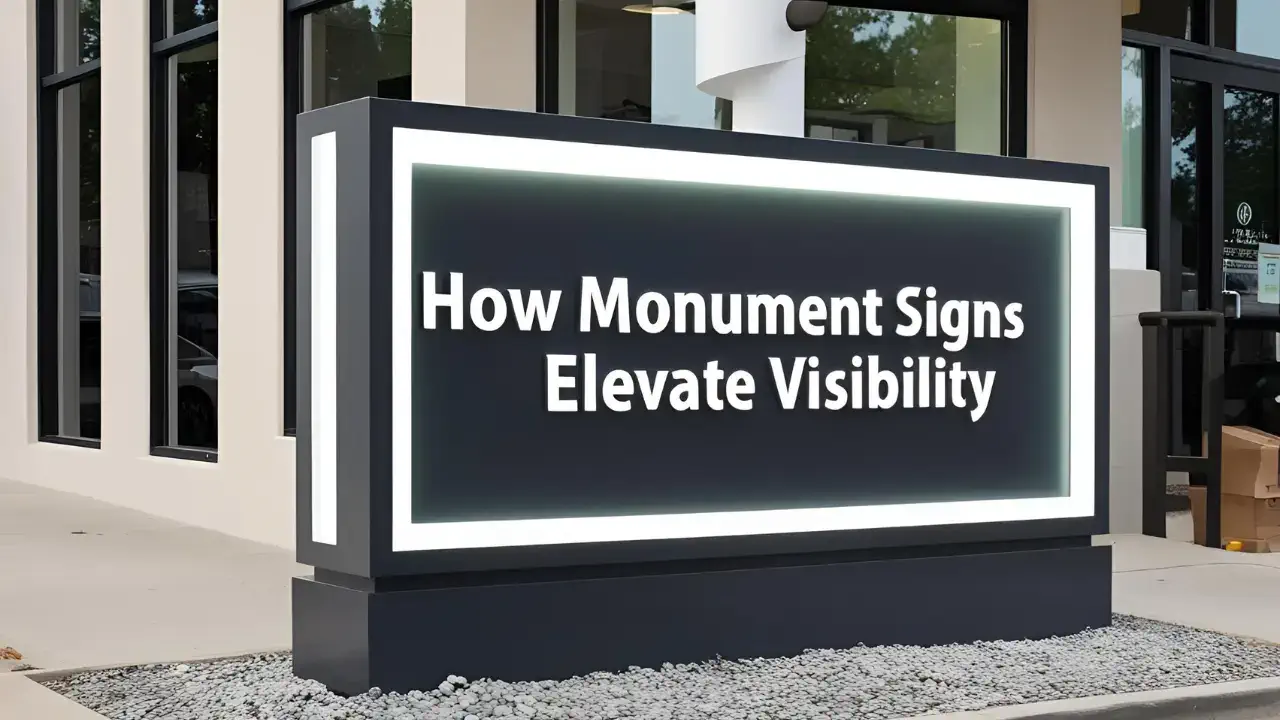
LED illumination has replaced fluorescent and neon lighting in modern monument signs. LED technology is brighter, more energy efficient, longer lasting, and produces a cleaner light quality. A modern LED illuminated monument costs less to operate and looks better than older lighting technology.
Push through acrylic panels have largely replaced flat painted panels on premium monument signs. Push through panels create a more dimensional look and allow the illumination to glow more dramatically through the lettering. The visual effect is significantly more upscale.
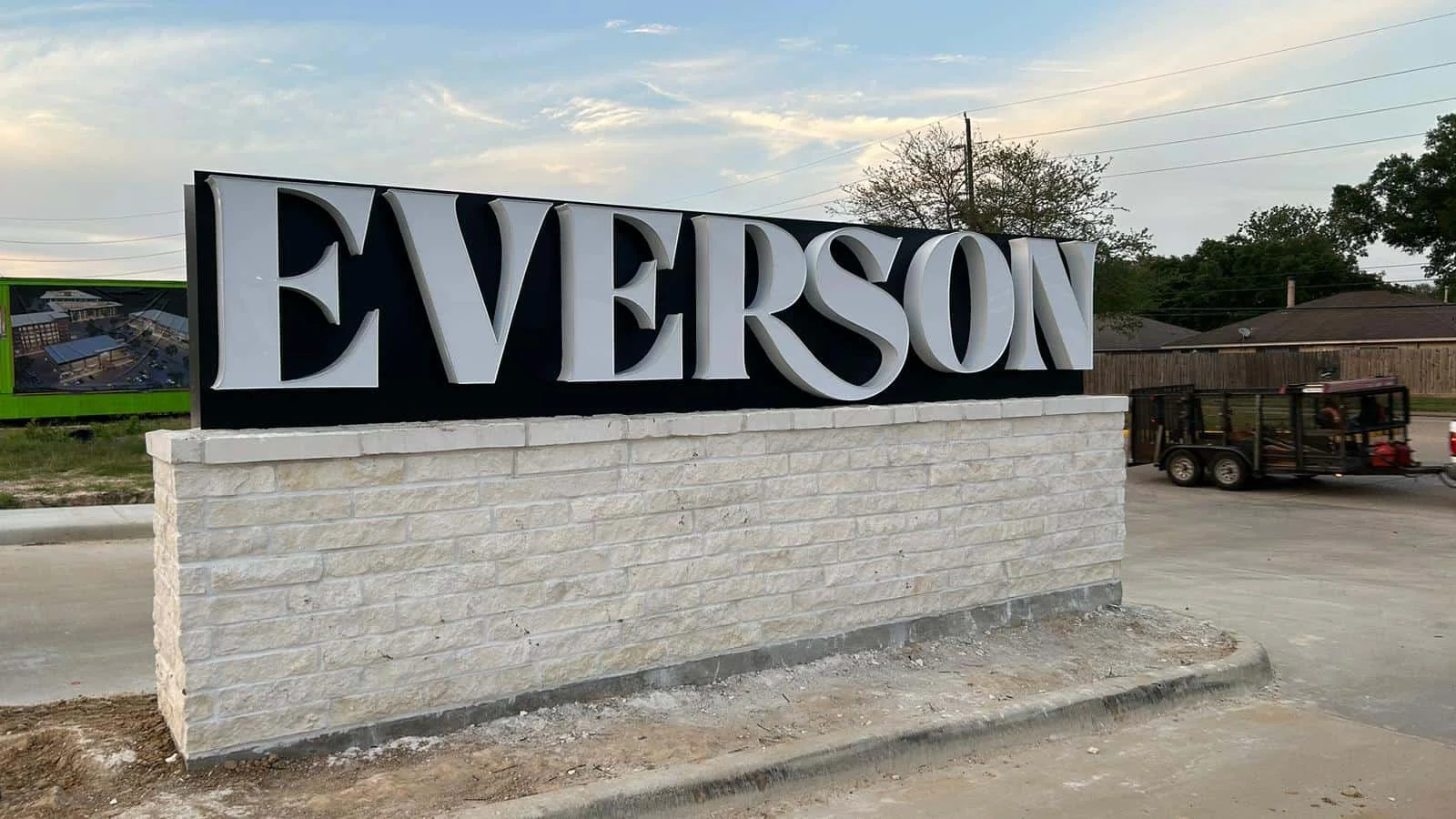
Dimensional metal or acrylic letters have become the standard for high end residential monuments. Older monuments often used flat painted or routed lettering. Modern dimensional letters project depth and shadow that elevate the entire sign’s appearance.
Improved weatherproofing materials means modern monuments hold up better against Houston’s challenging climate. Newer paints, sealants, and structural materials resist UV fading, water damage, and heat stress better than older alternatives.
How a Typical HOA Monument Refresh Project Works
Once your board has approved the project and selected a vendor, here’s what to expect from a typical HOA monument sign refresh in the Houston area.
The first step is a free on site consultation where the sign company assesses the existing monument, takes measurements, photographs the current condition, and discusses your community’s vision for the refresh. This visit usually takes thirty to sixty minutes.
Next comes the design phase. You will receive design renderings showing exactly what the refreshed monument will look like once installed. This is the stage where board members and architectural review committees provide feedback and request changes. Most projects go through one to three rounds of design revisions before final approval.
Permitting follows design approval. Your sign company should handle the entire permit process directly with the city, including submitting drawings, paying fees, and coordinating any required engineering reviews. This typically takes four to eight weeks depending on the city.
Fabrication happens once permits are approved. The sign company manufactures the new sign components at their facility. For most HOA monument refreshes, fabrication takes two to four weeks.
Installation is the final step. The installation team removes the old sign elements, completes any base repairs or upgrades, installs the new sign components, connects the electrical and LED systems, and tests everything. Most installations are completed in one to two days on site.
From initial consultation to final install, a typical HOA monument refresh project takes between two and four months. Larger or more complex projects can take longer.
How Uni Signs Approaches HOA Monument Projects
We design, fabricate, and install monument signs in house at our Katy facility. That means one vendor handles the entire process from initial consultation through final installation, with no subcontractors and no handoffs that lose context. For HOA boards and property managers, this matters because you have a single point of contact throughout the project and one company accountable for the final result.
We have completed monument sign projects for residential communities, master planned developments, gated subdivisions, and townhome communities across the Greater Houston area. Every project starts with understanding the community’s character, the architectural review requirements, and the board’s goals before we propose any design.
If your community is considering a monument sign refresh and you are not sure where to start, the easiest next step is to schedule a free on site assessment. We will come to your community, look at the existing monument, and give you a clear recommendation about whether a refresh or full replacement is the right move. There’s no obligation and no pressure to commit to anything during the visit.
Ready to Talk About Your Community’s Monument Sign?
Call Uni Signs at (832) 590-3690 or visit uni-signs.com to schedule a free on site assessment. We serve HOAs, master planned communities, and residential developments throughout the Greater Houston area including Katy, Sugar Land, The Woodlands, Cypress, Pearland, and beyond.