
If you’ve ever driven past a strip mall, hotel, or restaurant and caught yourself looking up at bold, glowing letters on the building’s facade — that’s channel letter signs doing their job. They’re one of the most widely used forms of commercial signage in the country, and honestly, it’s not hard to see why. Channel letter signs are eye-catching, built to last, fully custom, and available in several illumination styles to fit just about any brand. In this guide, the team at UNI Signs breaks down everything business owners in Katy, Sugar Land, Houston, and the Greater Houston area need to know about custom channel letter signs.
Read more: Custom Channel Letter Signs in Katy & Houston, TX — front lit, halo lit & combined, with permits and installation included.
What Are Channel Letter Signs?
Channel letter signs are three-dimensional letters or shapes fabricated from aluminum and acrylic, mounted either directly to a building’s facade or onto a raceway — a metal mounting structure that sits against the wall. Each letter is its own self-contained unit, which is where the “channel” name comes from. The result is signage that looks clean, modern, and professional in a way that flat signs simply can’t replicate.
Unlike a printed vinyl wrap or flat cabinet sign, channel letters physically project off the wall — they have real depth and dimension that catches the eye during the day and glows at night. Because every sign is custom-fabricated, you can get channel letters in virtually any font (with some limitations we’ll explain below), any color, and any size. That flexibility is a big part of why so many businesses see them as the go-to option for a premium presence on their building.
Businesses that commonly use channel letter signs include retail stores, restaurants and fast food chains, hotels and motels, medical and dental offices, auto dealerships, fitness centers, banks, and shopping center tenants. If you have a storefront, a channel letter sign is one of the smartest investments you can make for driving foot traffic and building real brand recognition.
How Channel Letter Signs Are Made: The Manufacturing Process
Understanding how channel letter signs are made helps explain why they’re priced the way they are — and why the quality of the sign company you choose really matters. At UNI Signs, every sign goes through a precise, multi-step process designed to meet high standards for both quality and durability.
Step 1: Design and Engineering
Every channel letter sign starts with a custom design. Our team sits down with you to nail down your logo, font, colors, and letter sizing. From there, we put together detailed fabrication drawings that lay out the exact dimensions, material gauges, LED layout, and installation method. Getting this step right is what makes sure the finished sign actually matches your brand and clears the local permitting process without headaches.
Step 2: CNC Routing and Metal Fabrication
Once the design is locked in, we program a CNC router (computer numerical control machine) to cut the letter faces and backs from aluminum sheet metal and acrylic. The letter returns — the metal sides that give each letter its depth — are then formed and welded into place. For most standard channel letters, that depth runs anywhere from 3 to 6 inches, though we can go custom if your project calls for it.
Step 3: Painting and Finishing
The metal components get cleaned, primed, and painted using automotive-grade paints or powder coating matched to your exact Pantone or custom color specs. The acrylic faces are either cut in your brand’s color or in translucent white — which lets the LED color shine through when the sign is lit.
Step 4: LED Module Installation
For illuminated channel letters, LED modules are installed inside each letter. LEDs have become the industry standard for good reason — they’re energy-efficient, long-lasting (often 50,000+ hours), produce bright and vibrant light, and generate far less heat than the old neon or fluorescent alternatives. We take care to lay them out evenly inside each letter so there are no hot spots or dark patches when the sign is on.
Step 5: Assembly and Quality Control
Every letter is assembled, wired, and tested for proper illumination before it leaves our shop. We check for consistent brightness, color accuracy, and weatherproofing — because a sign that looks great in the shop but fails six months into a Texas summer isn’t good enough.

Step 6: Permit Acquisition and Professional Installation
UNI Signs handles the permitting process for you — something a lot of sign buyers don’t think about until it becomes a problem. Almost every commercial sign in the Houston area requires a permit from the local municipality before it can go up. Once permits are in hand, our installation crew mounts the letters to your building using layout templates to make sure spacing and alignment are exactly right. All electrical work is handled by licensed electricians to code.

Types of Channel Letter Illumination: Choosing the Right Style for Your Business
One of the biggest decisions you’ll make when ordering custom channel letter signs is which illumination style to go with. Each option creates a distinctly different look, and the right choice really depends on your brand and the environment where the sign will live. Here’s a breakdown of the four main styles:
1. Front-Lit Channel Letters (Standard Illuminated)
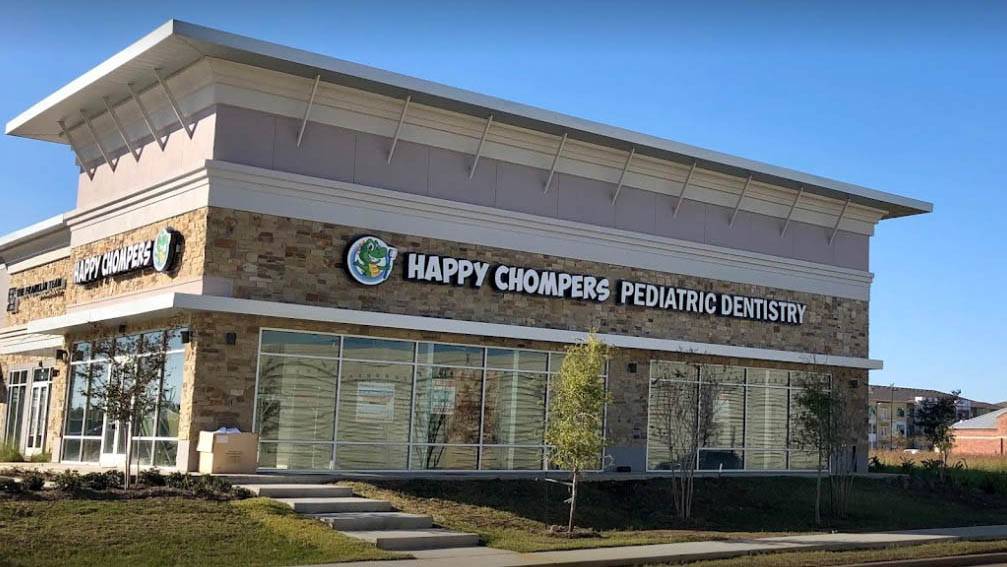
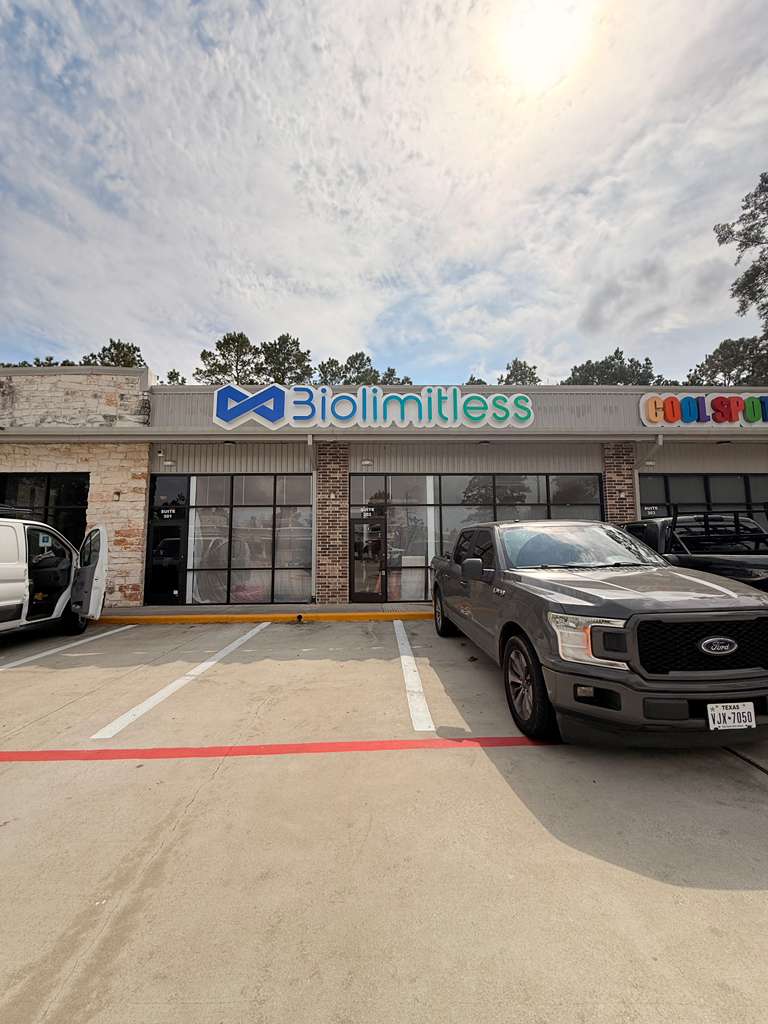
Front-lit channel letters — also called standard lit or simply “illuminated channel letters” — are by far the most popular style. The LEDs shine through the translucent acrylic face of each letter, so the light projects outward from the front. During the day, the letter face shows your brand color. At night, the whole letter glows in that same color.
Front-lit channel letters show up well both day and night, which makes them a reliable all-around choice for retail storefronts, restaurants, and really any business that wants to be seen. They’re also the most affordable illuminated option, which is a big part of why they dominate commercial signage from coast to coast.
2. Reverse-Lit Channel Letters (Halo-Lit)
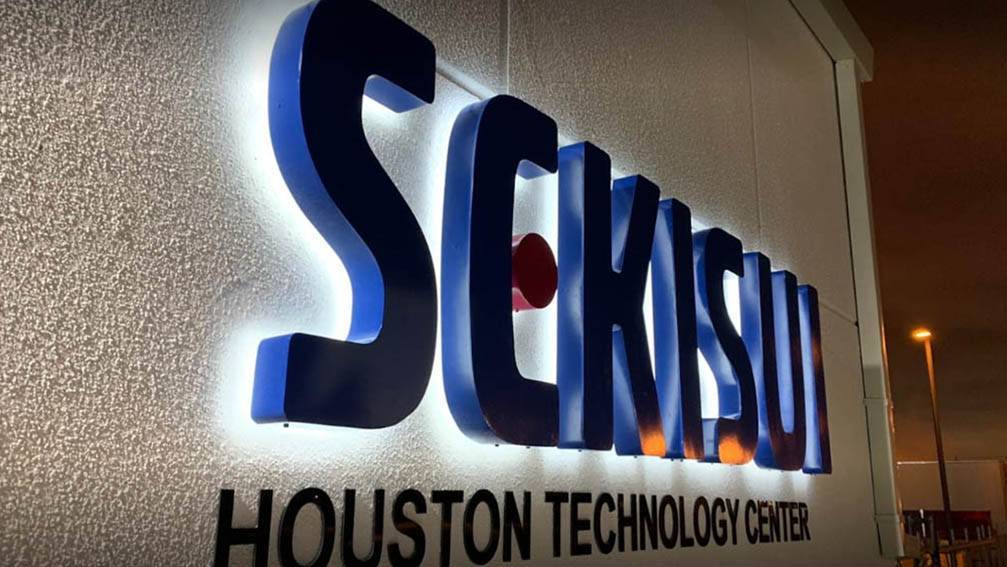
Reverse-lit channel letters, more commonly called halo-lit or back-lit channel letters, create a more dramatic and upscale effect. With this style, the letter face is solid — typically brushed aluminum or painted metal — and the LEDs illuminate backward, projecting a soft glow behind each letter onto the wall surface. The result is a beautiful “halo” of light that traces the outline of each letter.
Halo-lit signs are a favorite with luxury brands, upscale restaurants, hotels, and spas — businesses that want a polished, understated look rather than something that shouts. Because the light glows backward rather than projecting forward, these signs really shine (no pun intended) in low-light and nighttime settings, especially when mounted against a light-colored wall.
3. Front and Back-Lit Channel Letters (Open Face / Combination Lit)
If you want maximum visual impact, front and back-lit channel letters give you the best of both worlds. The translucent acrylic face lets light project forward, while the open back allows light to project backward at the same time, creating both a bright face and a halo effect simultaneously. This combination is hard to miss from a distance, which makes it a strong choice for businesses on busy highways or high-traffic commercial corridors.
4. Non-Illuminated Channel Letters
Not every sign needs to light up. Non-illuminated channel letters (sometimes called dimensional letters) use the same aluminum fabrication process without any internal lighting. They’re a solid option for interior signage, lobby signs, buildings that already have good ambient outdoor lighting, or businesses that aren’t open after dark.
Non-illuminated channel letters still give you that premium three-dimensional look that makes channel letters worth the investment — just at a lower overall cost than their illuminated counterparts. They’re popular for office buildings, corporate lobbies, and indoor wayfinding applications.

Why Smaller Channel Letters Can Cost More Than Larger Ones
One thing that catches a lot of first-time sign buyers off guard: smaller channel letters are not necessarily cheaper than larger ones — and in many cases, they actually cost more per letter. It sounds backward, but the sign industry has good reasons for it.
When a letter is large — say, 24 inches tall or more — there’s plenty of room to work. LED modules can be spaced properly, wiring is manageable, and the metal returns can be formed without needing extreme precision tolerances. The work is skilled, but relatively straightforward at that scale.
When a letter is small — 6, 8, or 10 inches tall — everything gets harder. The inside of the letter is cramped, which makes fitting LED modules for even illumination a real challenge. Metal returns have to be cut and bent to very tight tolerances. Wiring a small letter is tedious, time-consuming work that requires a skilled fabricator working in tight quarters. The acrylic faces need to be cut with more precision to fit without gaps. Some letter strokes are so thin they need reinforcement, and tight interior corners are difficult to form cleanly. All of that adds up to more labor hours per letter than you’d spend on a larger one.
The takeaway: don’t assume smaller automatically means cheaper when you’re budgeting for channel letter signs. A row of 8-inch channel letters can easily run as much — or more — than 18-inch letters of the same word, just because of the added labor and precision involved. When you work with UNI Signs, we walk you through all of this upfront so you know exactly what to expect.
Font Limitations: Why Serif and Script Fonts Are Often Not Suitable for Channel Letters
Font selection is another thing worth thinking through carefully when designing custom channel letter signs. The graphic design world has thousands of typefaces, but the physical realities of aluminum fabrication mean not all of them translate well into a sign. Two categories that come up most often as problems are serif fonts and script fonts.
The Problem with Serif Fonts
Serif fonts — think Times New Roman, Garamond, Bodoni, or Georgia — have those small decorative strokes at the ends of letters. In many high-contrast serif typefaces, the thick parts of a letterform alternate dramatically with extremely thin hairline strokes. When you try to translate those thin elements into physical metal, they become very fragile — sometimes just a fraction of an inch wide at full sign scale.
Fabricating channel letters with thin serif details means very thin metal returns that have no structural integrity. They bend, crack, or break in shipping and installation. They also can’t hold LED modules in those narrow stroke areas, which means patchy, uneven illumination. That’s why most sign fabricators — including UNI Signs — steer clients away from serif fonts for channel letter signs, especially for illuminated applications. Bold, clean sans-serif fonts almost always produce better-looking, more durable, and more impactful results.
The Problem with Script and Cursive Fonts
Script fonts — cursive or handwriting-style typefaces — present a similar challenge, and sometimes an even bigger one. They tend to have thin, flowing strokes with a lot of variation between thick and thin areas, plus ultra-delicate connecting strokes between letters. Those thin elements are even more problematic than serif hairlines when it comes to metal fabrication.
There’s also a structural issue: script fonts often connect letters in ways that make it nearly impossible to create separate individual channel letter units. In some cases, an entire word in a script font would need to be fabricated as one connected piece rather than individual letters, which significantly raises the complexity, weight, and cost.
That said, there are exceptions. Some bolder script fonts with heavier stroke weights can work as channel letters, particularly at larger sizes and for non-illuminated applications. If your logo uses a script or highly decorative font, bring it to our team early in the process so we can evaluate what’s feasible. In some cases, an alternative sign format — like a cabinet sign with a printed face or an LED display — might actually serve your brand better anyway.
Raceway-Mounted vs. Direct-to-Wall Channel Letters
Channel letter signs can be installed two ways, and the method you choose affects both how the sign looks and how the installation works:
Direct-to-Wall (Flush Mount): Each letter is mounted directly to the building wall using individual standoffs, and the electrical transformer is tucked behind the wall or inside the building. This is the cleaner-looking option — there’s no visible hardware behind the letters, just individual letters that seem to float on the facade. It’s the preferred method when aesthetics are a priority, though it does require access to the wall’s interior for wiring.
Raceway Mounted: A raceway is a painted metal channel — usually matched to the building wall color — that houses all the electrical components for the sign. The individual letters mount to the front of the raceway rather than directly to the wall. Raceway mounting is a practical choice when direct wall access is limited, when the building owner doesn’t allow penetrations through the exterior wall, or when a faster or more cost-effective install is needed. It also makes servicing the electrical components easier down the road since you don’t have to touch the wall.
How Long Do Channel Letter Signs Last?
When they’re built and installed properly, channel letter signs are genuinely long-lasting. The aluminum construction handles Houston’s humidity and heat well without rusting or corroding. Modern LED modules are rated for 50,000 to 100,000 hours of use — that’s more than a decade of continuous operation. With basic maintenance and the occasional LED replacement, a well-made channel letter sign can stay bright and functional for 10 to 15 years or longer.
At UNI Signs, we back our channel letter signs with a warranty and offer ongoing maintenance and service programs to keep your sign performing its best for the long haul.
Channel Letter Signs vs. Other Types of Business Signs
Wondering how channel letter signs stack up against other commercial signage options? Here’s a quick look to help you make the right call for your business:
Channel Letters vs. Cabinet Signs (Illuminated Box Signs): Cabinet signs — also called lightbox signs — are backlit boxes with a printed or translucent colored face. They’re often less expensive than channel letters and can handle complex full-color graphics more easily. The tradeoff is that they lack the dimensional, premium look of channel letters and are generally seen as a more budget-friendly option.
Channel Letters vs. LED Monument Signs: Monument signs are freestanding signs at property entrances — think subdivision entrances, office park driveways, or hotel drop-offs. They serve a different purpose than building-mounted channel letters and are often used together as part of a complete signage program.
Channel Letters vs. Vinyl Signs: Flat vinyl graphics on windows or walls are the most affordable signage option available, but they’re not a substitute for a proper building sign. They lack permanence, depth, and nighttime visibility. They work well as a supplement to channel letter signs — for window graphics or short-term promotions — but that’s really where their role ends.
Get a Custom Channel Letter Sign Quote from UNI Signs
At UNI Signs, we’re proud to be one of the leading channel letter sign fabricators and installers in the Houston, Katy, and Sugar Land area. Our in-house team handles everything — design and engineering, fabrication, permitting, installation, and ongoing maintenance. We work with businesses of all sizes, from single-location retail shops to multi-location franchise buildouts.
Whether you need front-lit channel letters, halo-lit reverse channel letters, or non-illuminated dimensional letters, we have the experience and equipment to deliver a finished sign that will make your building stand out for years to come.
Ready to get started? Contact UNI Signs today for a free consultation and custom channel letter sign quote. We serve businesses throughout Sugar Land, Katy, Houston, Missouri City, Stafford, Richmond, Rosenberg, Pearland, and the surrounding Greater Houston area.
How Much Do Channel Letter Signs Cost? Key Pricing Factors
The first question almost every business owner asks is: “How much is this going to cost me?” The honest answer is that channel letter signs are custom products — there’s no price list — and what you pay depends on a range of variables. That said, understanding those variables will help you budget realistically and avoid sticker shock.
Number of letters and characters is the single biggest cost driver. Each additional letter, space, punctuation mark, or logo element adds fabrication time and material. The total character count — including numbers, ampersands, and trademark symbols — all factor into the final price.
Letter height and overall sign dimensions affect both material and labor costs. As we mentioned above, very small letters often cost more per letter than medium-sized ones because of the precision required. On the flip side, very large letters — 36 inches tall or more — require heavier aluminum, more LED modules per letter, and may need special equipment for installation. For most retail applications, the 12- to 24-inch range tends to hit a good cost-efficiency sweet spot.
Illumination style has a meaningful impact on price. Non-illuminated letters are the most affordable. Standard front-lit letters come next, followed by reverse-lit (halo-lit) letters, which require more fabrication precision for a clean halo effect. Front and back-lit combination letters are typically the most expensive option because of the added complexity.
Installation method and building access also factor in. Raceway-mounted installs are generally faster and less labor-intensive than direct-to-wall installs, which require running wiring through the building’s exterior. Hard-to-reach locations that need lifts, scaffolding, or aerial equipment will add to the installation cost. Permitting fees vary by city and are typically billed separately from fabrication and installation.
To give you a rough ballpark: a single-word front-lit channel letter sign for a small retail business in the Houston area might start around $1,500 to $3,000 installed. A multi-word sign with more letters, larger sizing, or a more complex illumination style can range from $4,000 to $10,000 or more. National franchise buildouts with multiple signs and strict brand standards can run higher. The best way to get a real number for your project is to reach out to UNI Signs for a custom quote — we’ll assess your building, your brand requirements, and local permitting to give you a transparent, itemized estimate.
Channel Letter Sign Permits: What Houston-Area Business Owners Need to Know
Permitting is one of the most important parts of commercial signage — and one of the most commonly overlooked. In the Greater Houston area, nearly every exterior commercial sign requires a permit from the local municipality before it can be installed. Skip that step, and you’re looking at potential fines, mandatory removal, and expensive delays. UNI Signs manages the entire permitting process on your behalf, but it’s still useful to understand the basics.
Every city in the Greater Houston area — Houston, Katy, Sugar Land, Pearland, Missouri City, Stafford, Richmond — has its own sign ordinance that governs things like maximum sign area, allowable height, placement restrictions, illumination rules, and setback requirements. Sign ordinances exist to maintain visual consistency and prevent sign clutter, and they vary quite a bit from one city to the next. A sign that’s perfectly legal in unincorporated Harris County might not pass muster under Sugar Land’s sign code, for example.
On top of city sign codes, many commercial properties — strip malls, shopping centers, mixed-use developments — have a property owner’s signage criteria package, sometimes called a tenant criteria manual. This document spells out the exact sign zone allocated to each tenant, maximum letter heights, approved installation methods, color restrictions, and more. Before your sign design is finalized, you’ll need to get a copy of that criteria from your landlord and make sure your sign complies.
The permitting process typically involves submitting scaled sign drawings, structural calculations for larger signs, and an electrical plan for review by the city. Approval timelines can range from a few days to several weeks depending on the municipality and their current workload. UNI Signs’ permitting team handles all of this paperwork, follows up on permit status, and coordinates with city inspectors as needed — saving you time and keeping your project on track.
Channel Letter Sign Maintenance: Keeping Your Sign Looking Its Best
A well-maintained channel letter sign works for your business around the clock. Modern LED-illuminated channel letters are fairly low-maintenance by nature, but a few simple habits will go a long way toward maximizing the lifespan and performance of your sign.
Regular exterior cleaning is the easiest and most effective thing you can do. In Houston, dust, pollen, road grime, and the occasional bird dropping can build up on letter faces and returns over time, dulling the appearance and reducing how much light gets through the acrylic. A gentle wash with warm water and mild soap — applied with a soft cloth or sponge — keeps things looking sharp. Just avoid pressure washing directly at the acrylic faces or into seams, since high-pressure water can force moisture inside the letters and damage the LEDs or wiring.
Periodic LED module replacement is something you’ll eventually need, though it happens far less often with LEDs than with older neon or fluorescent technology. When modules start to dim or fail — which usually happens gradually — it’s worth addressing promptly. A sign with dark spots or uneven lighting sends the wrong signal to potential customers and can make an otherwise great-looking sign appear neglected. UNI Signs offers LED retrofit and maintenance services to bring aging signs back to full brightness.
After major weather events — which aren’t exactly rare around Houston — take a few minutes to inspect your sign for loose letters, bent returns, cracked acrylic, or any physical damage. Texas thunderstorms, high winds, and hail can be rough on exterior signage. If anything looks off, contact a professional sign service company rather than trying to fix it yourself. DIY repairs can void your warranty, create electrical hazards, or make the damage worse.
Frequently Asked Questions About Channel Letter Signs
How long does it take to get a channel letter sign made and installed?
From order to installation, most channel letter sign projects take between 4 and 8 weeks, though the timeline can shift depending on design complexity, permit approval times, and current production schedules. Permitting is often the longest part of the process — depending on the city, review and approval can take anywhere from one to four weeks. We generally recommend starting the sign process at least 6 to 8 weeks before your target opening or rebranding date. If your timing is tight, ask your UNI Signs consultant about rush fabrication options.
Can I use my existing logo or brand font for channel letter signs?
In most cases, yes — as long as your brand font is a good fit for aluminum fabrication. Bold, clean sans-serif fonts work beautifully as channel letters. If your logo uses a very thin serif font, a highly decorative typeface, or a flowing script, our design team will work with you to evaluate what’s feasible. We may recommend small adjustments or an alternative sign format that better suits your brand while still keeping you as close to your standards as possible. The goal is always a sign that looks great, holds up structurally, and illuminates evenly.
Do channel letter signs work in the Houston heat and humidity?
Absolutely. UNI Signs builds channel letters specifically for the Greater Houston climate. The aluminum construction holds up well in high humidity without rusting or corroding. The automotive-grade paints and powder coatings we use are formulated to resist fading under intense Texas UV exposure. Our LED modules are rated for a wide temperature range and sealed against moisture intrusion, and every letter has drainage weep holes built in to prevent water from accumulating inside. A properly built channel letter sign should hold up in the Houston, Katy, and Sugar Land climate for well over a decade.
Does my landlord or property manager need to approve my channel letter sign?
In most commercial leases, yes. Your landlord or property management company will typically need to sign off on your sign design before you can move forward with city permitting. Many shopping centers and commercial properties have a tenant sign criteria package that spells out allowable dimensions, letter heights, colors, and installation methods. Getting that package from your property manager early is important. UNI Signs has plenty of experience working within tenant sign criteria — we’ll design a sign that fits your brand while staying compliant, so you’re not stuck in a back-and-forth with your landlord for weeks.
Why Choose UNI Signs for Your Custom Channel Letter Signs in Houston?
There are plenty of sign companies in the Greater Houston market. So why do businesses from Katy to Pearland keep coming back to UNI Signs? It really comes down to our full-service, in-house capabilities, our commitment to quality, and the fact that we know Houston-area permitting and commercial building requirements inside and out.
Everything under one roof means no subcontracting surprises. Our in-house team handles every step — custom design, CNC fabrication, painting, LED installation, permitting, and professional installation. You work with one accountable team from start to finish, which means faster turnaround, cleaner communication, and a better finished product.
We know Houston-area sign codes. Our permitting team has worked through the sign ordinances of every major city and municipality in the Greater Houston area — Houston, Katy, Sugar Land, Pearland, Missouri City, Stafford, Richmond, and more. We know what’s required, how long things take, and how to design your sign to sail through the review process on the first submission. That saves you time, money, and a lot of frustration.
We stand behind our work. Every channel letter sign we build and install is backed by our warranty. We don’t disappear after the job is done — our service team is available for LED maintenance, sign repairs, and future rebranding updates, so your sign investment keeps paying off for years to come.
If you’re ready to give your business the visibility it deserves, we’d love to talk. Contact UNI Signs today to schedule your free consultation. Our team will visit your location, assess your signage needs, review any landlord criteria, and put together a detailed, no-obligation quote for your custom illuminated channel letter sign. Let us help your business stand out — day and night.