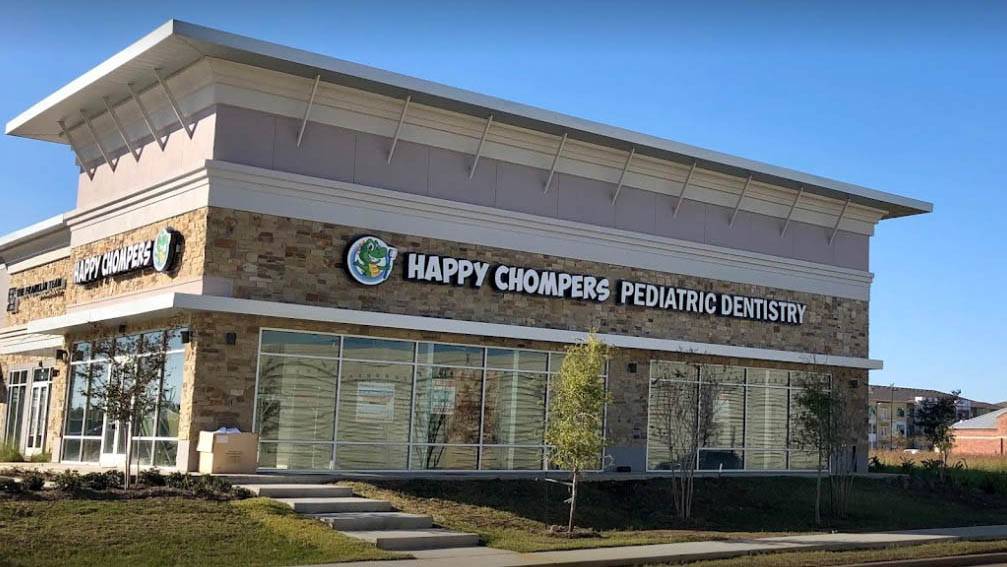

You signed your lease. You have the keys to your new space in a Katy strip center or a Sugar Land retail plaza. Now it is time to get your sign ordered. So you pick a design, call a sign company, and get ready to move forward.
Once you know what your lease allows, here is what actually gets built and what it costs: commercial building signs in Katy and Houston.
Then someone asks: “Have you read your sign criteria?”
If you have never heard that term before, you are not alone. And if you ordered a sign before pulling that document, you may be facing an expensive redesign or a rejection from your landlord. After more than 10 years of helping businesses in Katy, Houston, Sugar Land, Cypress, and The Woodlands get their signs approved and installed, the team at Uni Signs has seen this situation play out dozens of times. This guide will help you understand exactly what a sign criteria sheet is, what it contains, and why reading it first can save you time, money, and real frustration.
What Is a Sign Criteria Sheet?
A sign criteria sheet, sometimes called a tenant sign criteria document or simply “sign criteria,” is a set of rules issued by your landlord or property management company that governs how tenants may display signage on the building. It is almost always part of your commercial lease package, though it is often buried in an exhibit or addendum that new tenants overlook.
The document is typically created by the property owner or developer when the shopping center, office park, or retail building is first established. It may be updated over time as the property changes hands or gets renovated. In the Greater Houston area, major shopping center operators and commercial landlords all maintain their own criteria, and they vary significantly from one property to the next.
The criteria apply to virtually every type of commercial tenant, from retail stores and restaurants to medical practices, dental offices, and franchises opening a new location. If you are leasing space in a multi-tenant building and you plan to put up any exterior signage, your sign criteria sheet governs what you can and cannot do.
What Does a Sign Criteria Document Typically Cover?
Every property is a little different, but most commercial lease sign criteria documents address the following elements in detail.
Sign Type Restrictions
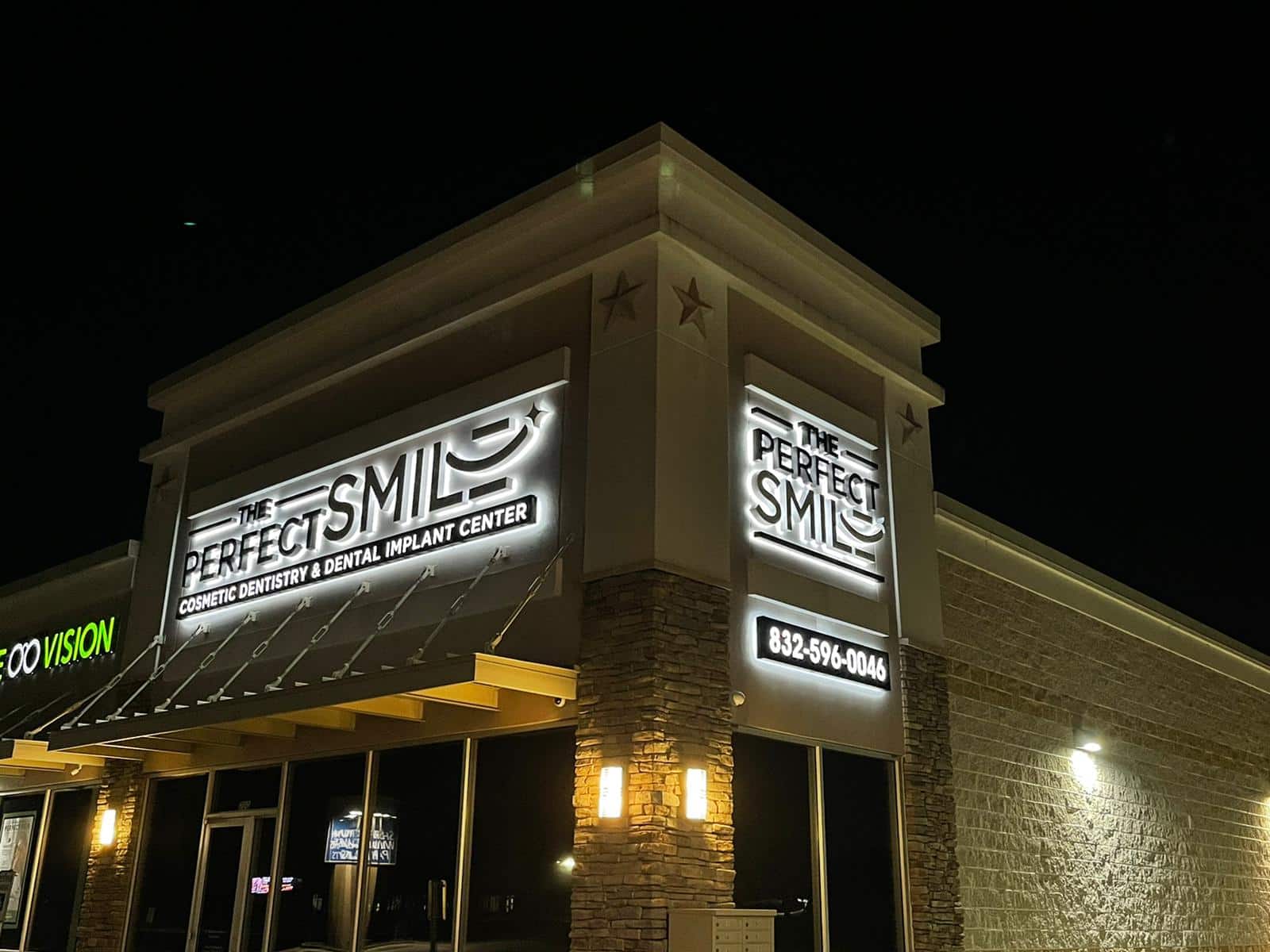
The criteria will usually specify which types of signs are permitted. This might mean only illuminated channel letters are allowed, or that cabinet signs with a certain face thickness are acceptable, or that reverse-lit halo signs are approved but standard front-lit letters are not. Some properties permit window graphics, blade signs, or awning signs while others restrict tenants to a single fascia sign on the storefront face only.
Maximum Sign Dimensions
You will typically find a formula that ties your maximum sign area or letter height to your storefront width or your linear footage of lease frontage. For example, a property might allow one square foot of sign area per linear foot of frontage, up to a maximum of 60 square feet. Understanding this formula before you start designing can prevent you from falling in love with a sign that is simply too large for your space.
Letter Height Rules
Many criteria documents specify minimum and maximum letter heights separately from overall sign area. A minimum height requirement ensures signs are readable from the street, while a maximum height keeps the overall appearance of the building consistent. Getting your letter height wrong is one of the most common reasons a landlord rejects a building sign requirements submittal.
Illumination Rules
Some properties require all tenant signs to be illuminated for consistency. Others restrict illumination types, for example allowing LED internally lit letters while prohibiting exposed neon or flashing lights. If you are opening a restaurant or retail store in Katy or Houston that plans to be open in the evening, understanding the illumination rules early will directly affect the type of sign you order.
Cabinet Depth and Construction Limits
For cabinet-style signs or channel letters, the criteria may specify maximum depth or projection from the building face. This is especially common in newer shopping centers where the architectural design requires a clean, flush profile on the building facade.
Color and Material Restrictions
Some landlords require all tenant signs to use approved background colors, or restrict sign returns and trim colors to match the building’s exterior palette. You may be required to use a specific Pantone color for your background trim cap, regardless of your own brand colors. This can create real tension for franchise operators and branded businesses who have strict corporate standards.
Submission Requirements
The criteria will specify exactly what you need to submit for landlord approval: typically scaled drawings, material specifications, color samples, and sometimes a site plan showing sign placement. Some properties require submissions to go through a property management portal while others want physical prints. Knowing the submission process up front helps you plan your timeline realistically.

Why Landlords Enforce Sign Criteria
It might feel like the sign criteria is just another hoop to jump through, but there is a real logic behind it. Commercial landlords invest significantly in the appearance and brand identity of their properties. A well-maintained, visually consistent shopping center in The Woodlands or Cypress commands higher rents and attracts stronger tenants than one where every storefront looks like a different decade.
Sign criteria create visual harmony across tenants, prevent any one business from overwhelming the others, and protect the long-term value of the property. When everyone follows the same rules, the center looks intentional rather than chaotic. Landlords also have agreements with anchor tenants and shopping center associations that may require consistent signage standards throughout the property.
The good news is that working within the criteria does not mean your sign has to look generic. An experienced sign company that understands tenant sign criteria in Houston and surrounding markets can design something that reflects your brand while still meeting every requirement on the sheet.
The Permit Layer: City Approval Comes After Landlord Approval
Here is something that surprises many new tenants: getting your landlord’s approval does not mean your sign is ready to install. In nearly every city in the Greater Houston area, including Katy, Houston, Sugar Land, Cypress, and The Woodlands, a separate commercial sign permit Houston businesses must obtain is required before installation can begin.
The landlord approval process and the city permit process run on parallel tracks. Your landlord approves the design to ensure it meets their building standards. The city reviews the permit application to ensure the sign meets local zoning codes, setback requirements, electrical codes, and structural standards. Both approvals are required, and neither substitutes for the other.
Permit timelines vary by municipality. Some cities in the Houston area turn around commercial sign permits in a week or two, while others can take four to six weeks or longer depending on the type of sign and the time of year. If you are planning a grand opening, you need to build both the landlord approval process and the city permit timeline into your schedule well in advance. Working with a sign company that handles permit acquisition in Houston and surrounding cities is essential to avoiding delays.
Common Mistakes Tenants Make with Sign Criteria
After years of working with new tenants on storefront signs in Katy and Houston, here are the mistakes we see most often.
Ordering before getting landlord approval. This is the most expensive mistake. A tenant orders a custom illuminated channel letter sign, pays a deposit, and then submits it to the landlord, only to learn that cabinet signs with a translucent face are the only approved type at that property. The sign has to be scrapped and redesigned from scratch. Always request a criteria compliance review before committing to a fabrication order.
Not leaving enough time. New tenants frequently assume a sign can be ordered and installed in two or three weeks. In reality, between landlord approval, which can take one to four weeks depending on the property, permit processing, which varies by city, and fabrication and scheduling, you should plan for a minimum of six to ten weeks for most illuminated storefront signs in Houston Texas. Start the process as early as possible after signing your lease.
Not using a sign company that understands criteria compliance. A general print shop or national sign chain may be able to make you a sign, but they may not be familiar with local landlord requirements or how to get a business sign approved in Katy, Sugar Land, or other Greater Houston municipalities. Working with a local sign company that routinely navigates tenant sign criteria in Houston means fewer surprises and a smoother path to installation.
Losing or misplacing the criteria sheet. It sounds simple, but many tenants cannot locate their sign criteria when it is time to start the sign process. Ask your landlord or property manager for the current criteria document at the time you sign your lease, and keep a digital copy somewhere accessible.

How to Work with a Sign Company That Handles This for You
The right sign partner does more than fabricate and install. When you are a new commercial tenant navigating building sign requirements, you want a company that can take the sign criteria sheet off your hands and manage the compliance process from start to finish.
Here is what to look for and what to ask. First, confirm whether the company reviews tenant sign criteria as part of their design process. A yes means they will design your sign to meet the landlord’s rules before you spend money on a proof. Second, ask whether they handle permit applications. A full-service commercial sign company in Houston will handle the permit submission, track the status, and coordinate with the city on your behalf. Third, ask how many similar properties they have worked in. A company that regularly handles storefront signs in Katy TX, Sugar Land, and other Houston-area markets will already be familiar with many of the local landlord standards and permitting offices.
At Uni Signs, we handle design, criteria compliance review, permit acquisition, fabrication, and installation from our location in Katy, Texas. We have been doing this for more than 10 years across the Greater Houston area. When you bring us your sign criteria sheet, we read it carefully and design your sign to meet every requirement before anything goes to your landlord for approval. That means fewer rounds of revision, a faster path to permit, and a sign that goes up right the first time.
Ready to Get Your Storefront Sign Done Right?
If you are a new tenant in the Greater Houston area getting ready to order your first commercial sign, the best thing you can do is gather your sign criteria sheet and connect with a sign company that knows how to work with it. Whether you are opening in Katy, Houston, Sugar Land, Cypress, or The Woodlands, Uni Signs is ready to walk you through the process from criteria review to installation.
Visit our storefront signs in Katy and Houston page to learn more about what we do, or contact us today for a free quote. We will review your criteria, design your sign, handle the permits, and get you open on time.
Frequently Asked Questions
What is a tenant sign criteria sheet in a commercial lease?
A tenant sign criteria sheet is a document issued by a commercial landlord or property management company that outlines the rules for exterior signage at a specific property. It typically covers sign types, maximum dimensions, letter heights, illumination requirements, color restrictions, and the process for submitting designs for landlord approval. In the Houston area, these documents are included in most commercial lease packages as an exhibit or addendum. The sign criteria sheet is your first point of reference for any commercial lease sign criteria Houston tenants need to understand.
Do I still need a city sign permit if my landlord approved my design?
Yes. Landlord approval and a city sign permit are two separate requirements. Your landlord approves your design to ensure it meets their building standards, while the city reviews a permit application to confirm the sign meets local zoning and safety codes. Both are required before a commercial sign can be legally installed in Katy, Houston, Sugar Land, Cypress, The Woodlands, and most other Greater Houston municipalities.
How long does it take to get a business sign approved in the Houston area?
Total approval time depends on two separate processes. Landlord approval typically takes one to four weeks after submittal, depending on the property management company’s review schedule. City permit processing varies by municipality but commonly takes two to six weeks for illuminated commercial signs. When you factor in design and fabrication time as well, new tenants should plan for a minimum of six to ten weeks from the start of the sign process to installation day.
What happens if I install a sign without following the sign criteria?
Installing a sign that does not comply with your commercial lease sign criteria can result in a formal notice from your landlord requiring you to remove or modify the sign at your own expense. In some cases, lease violations related to unauthorized signage can carry broader consequences. On the city side, installing a sign without a permit can trigger fines and a mandatory removal order. The cost of doing it right the first time is almost always far less than the cost of correcting a non-compliant installation.
Where can I find storefront sign help for my new business in Katy or Houston?
Uni Signs is a full-service commercial sign company based in Katy, Texas, serving businesses throughout the Greater Houston area including Sugar Land, Cypress, The Woodlands, and central Houston. We handle everything from criteria review and design through permitting, fabrication, and installation. Visit us at uni-signs.com or call (832) 590-3690 for a free consultation on your storefront signs Houston Texas project.