When you ask, “How much does a business sign cost?”, the real question is, “What drives the price up or down?” Understanding the key cost factors helps you compare quotes fairly and choose a sign that fits both your budget and long‑term goals.
1. Size and Viewing Distance
The larger the sign, the more materials, labor, and installation work it requires.
- Signs meant to be seen from a highway or busy road need to be larger, taller, and often brighter.
- Signs serving parking lots or walk‑up traffic can usually be smaller and simpler.
In general, the farther away your audience is, the bigger and bolder your sign needs to be—which directly increases cost.
2. Materials and Build Quality
Material choices have a big impact on both cost and lifespan.
Common options include:
- Metals: aluminum (light, corrosion‑resistant) vs. heavier steel
- Faces: acrylic, polycarbonate, or high‑density urethane (HDU)
- Films: standard vinyl vs. high‑performance and specialty films
- Finishes: basic paint vs. powder coat, brushed or textured finishes
Lower‑cost materials can work for short‑term or low‑stress applications. Higher‑grade materials cost more up front but typically last longer, look better, and resist weather and fading more effectively.
3. Illumination and Electrical Components
Lighting is one of the biggest differentiators in sign cost.
- Non‑illuminated signs are the simplest and least expensive category.
- Externally lit signs use separate light fixtures shining onto the sign face.
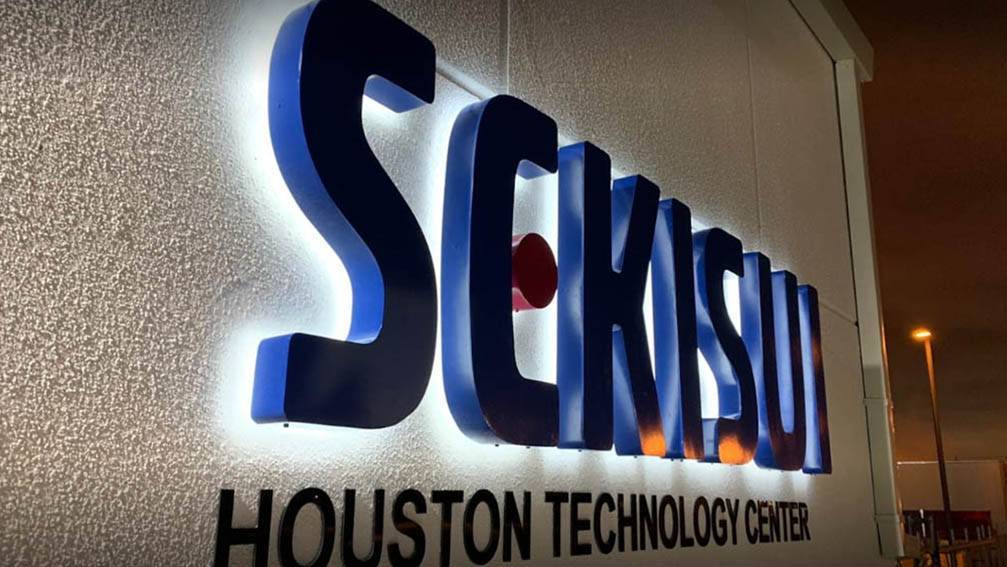
- Internally lit signs and channel letters contain LEDs and power supplies inside the sign.
Illuminated signs require more fabrication steps, wiring, and often dedicated electrical work. Better‑quality LEDs and components cost more but provide more consistent brightness and a longer service life.
4. Design Complexity and Customization
The amount of design and custom fabrication involved will influence price.
Factors include:
- Number of design concepts and revisions
- Detailed shapes vs. simple rectangular panels
- Multiple colors, gradients, or layered elements
- Special effects such as halo lighting, dimensional letters, or routed faces
A simple, text‑only panel is quicker and cheaper to produce than a fully custom, multi‑layered logo sign with intricate details and effects.
5. Installation Conditions
Installation is often overlooked, but it’s a major cost component.
Cost is affected by:
- Height: ground‑level installs vs. multi‑story mounting
- Access: easy parking lot access vs. tight or obstructed sites
- Surface: brick, stucco, metal, glass, or other challenging materials
- Structural needs: posts, concrete footings, or support frames
- Equipment: ladders vs. bucket trucks or cranes
The harder a sign is to reach, secure, and wire, the more time, equipment, and expertise the installation requires.
6. Permits, Engineering, and Code Compliance
Most permanent exterior signs must comply with city codes and often landlord or shopping center criteria.
This can involve:
- Permit application and city fees
- Code reviews and documentation
- Engineered drawings and structural calculations, especially for tall or freestanding signs
- Coordination with inspectors and property managers
A sign designed and installed without proper permitting may need to be modified or removed, which is far more expensive than doing it correctly from the start.
7. Number of Signs and Overall Scope
The total scope of your project also influences cost.
- A single storefront sign is very different from a complete package that includes window graphics, interior signs, wayfinding, and vehicle graphics.
- Multi‑location businesses sometimes get better efficiency by doing several signs at once.
Larger packages cost more in total but can reduce the cost per sign and create a more consistent brand presence.
8. Service, Warranty, and Support
Not all quotes include the same level of service after installation.
Things that affect overall value include:
- Length and coverage of material and workmanship warranties
- Quality of hardware and fasteners used
- Responsiveness for repairs or adjustments
- Documentation and support for landlords or franchise guidelines
A slightly higher initial price from a company that stands behind its work can save money and headaches over the life of the sign.
Why “You Get What You Pay For” in Signs
Business signs are exposed to sun, wind, rain, and heat every day, and they represent your brand 24/7. In signage, you truly get what you pay for.
A lower‑priced sign often achieves its cost savings by using thinner materials, lower‑grade finishes, cheaper LEDs, or minimal structural support. These signs may look fine at first but can fade, peel, rust, or fail sooner, leading to repairs, replacement, and lost curb appeal.
A higher‑quality sign may cost more initially, but it’s built with better materials, stronger structure, and more reliable lighting and hardware. That investment is what allows a sign to look good and perform well for many years—often as long as your business is in that location.
Put simply: if you want a sign that lasts as long as your business, it will cost more than a sign intended to last only a short time. The trade‑off is that a well‑built sign usually delivers better visibility, protects your brand image, and reduces long‑term replacement and maintenance costs.
Ready to Talk About Your Project?
If you’re planning a new sign or updating an existing one, share your location, a few photos, and what you have in mind. We can walk through these factors with you, explain how different choices affect cost and lifespan, and recommend options that make the most sense for your business and budget.